🐚 Mauritius: The Jewel of the Indian Ocean
Mauritius is a tropical masterpiece — a lush volcanic island ringed by turquoise lagoons, coral reefs, and palm-fringed beaches. Floating peacefully off Africa’s southeast coast, it’s where luxury meets authenticity, and where every sunrise feels like a new beginning.
Known as the “Pearl of the Indian Ocean,” Mauritius is more than a beach paradise. It’s a vibrant cultural mosaic — African, Indian, Chinese, and European influences weave together in its food, festivals, and friendliness. From the bustling markets of Port Louis to the tranquil coves of Le Morne and Grand Baie, Mauritius promises beauty that’s both breathtaking and soulful.
🏖️ Beaches, Lagoons & Island Bliss
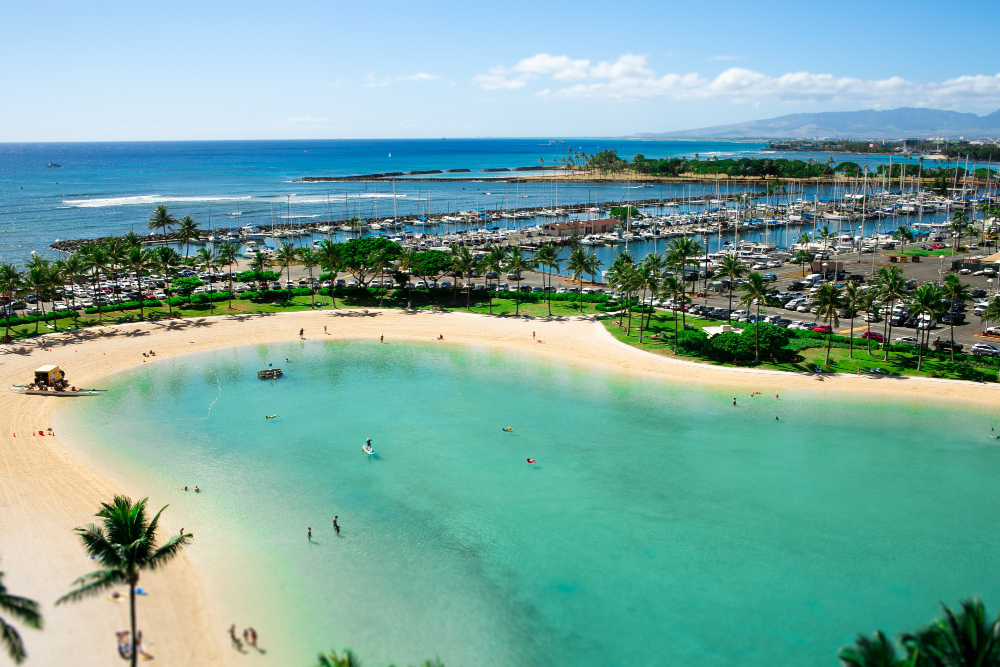
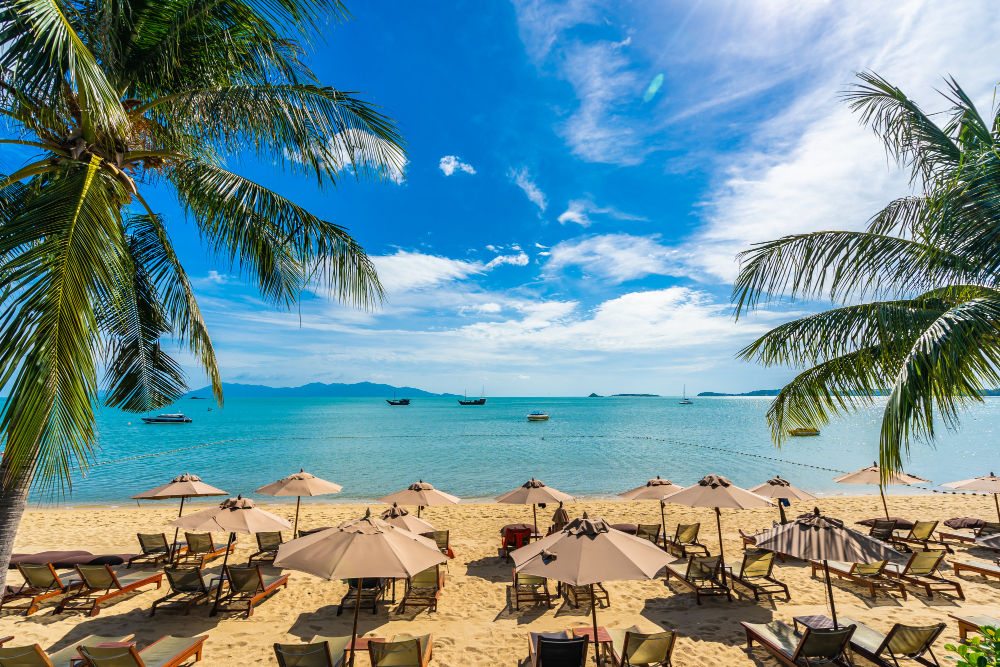
The coastline of Mauritius is a postcard come to life. On the east coast, palm-lined stretches like Belle Mare shimmer under the morning sun, while the west and north boast calm turquoise lagoons and lively resorts at Flic-en-Flac and Grand Baie.
Adventurers can dive or snorkel among colorful reefs, sail on catamarans to Île aux Cerfs, or swim with dolphins near Tamarin Bay. The southwest coast, crowned by Le Morne Brabant (a UNESCO World Heritage Site), offers dramatic cliffs, surf spots, and endless horizons where the sea meets the sky.
🌄 Nature, Adventure & Hidden Wonders
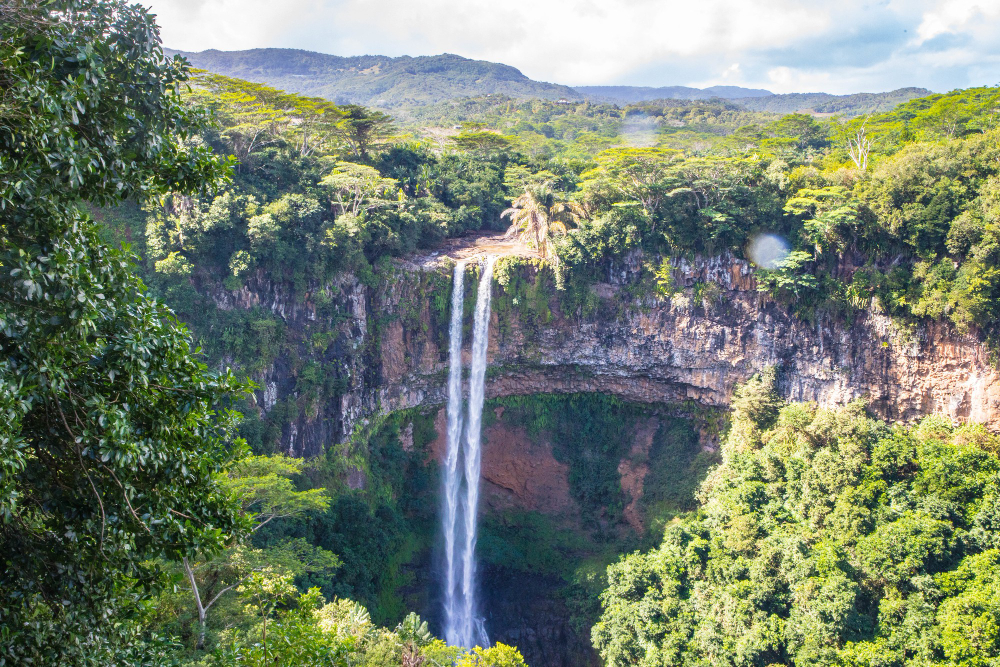
Beyond its beaches, Mauritius reveals lush mountains, waterfalls, and wild beauty. Hike through Black River Gorges National Park — home to rare birds, giant fruit bats, and panoramic viewpoints. Visit the surreal Chamarel Seven Colored Earths and Chamarel Waterfall, explore sugarcane fields and tea plantations, or stroll through the Pamplemousses Botanical Garden, one of the oldest in the world.
For thrill-seekers, quad biking, parasailing, zip-lining, and underwater walks offer adrenaline with a tropical twist.
🍛 Culture, Cuisine & Coastal Charm
Mauritius’s diversity is its greatest treasure. You’ll hear Creole, French, and English spoken side by side, and taste the island’s history in every dish. Try dholl puri, fish vindaye, gateaux piments, and octopus curry, all infused with Indian spices and Creole flair.
Local life thrives in open-air markets like Port Louis’ Central Market and Flacq Market, where the scent of vanilla, curry, and sugar fills the air. Evenings come alive with sega music, beach bonfires, and warm smiles — proof that Mauritian hospitality is as radiant as its sunsets.
💡 Travel Tip
The best time to visit Mauritius is May to December, when the weather is warm, dry, and breezy. The island enjoys a mild tropical climate year-round, with temperatures averaging 25–30°C (77–86°F). The summer months (January–April) are hotter and more humid, great for diving and marine life sightings.
Sights

Map
Info
Mauritius lies about 900 km east of Madagascar, surrounded by the Indian Ocean’s clearest waters. The island spans 2,040 km², easily explored by car — and every region offers a distinct charm.
It’s one of the safest, most welcoming, and most developed islands in the region, boasting world-class resorts, boutique eco-lodges, and family-friendly villas. Roads are excellent, and distances are short — it takes only a couple of hours to cross the island.
The island’s history is as rich as its scenery: once uninhabited, it became a crossroads for Dutch, French, and British traders, each leaving traces in its architecture, cuisine, and creole culture. Today, Mauritius is a multicultural harmony where temples, churches, and mosques share the skyline.
Air Mauritius connects the island to major cities in Africa, Europe, and Asia, while Sir Seewoosagur Ramgoolam International Airport is the main gateway. Power and internet infrastructure are modern, and English is widely understood.
Whether you’re sailing across turquoise lagoons, hiking through rainforests, or simply watching the sunset melt into the ocean, Mauritius feels like a gentle dream — a place where nature, culture, and comfort unite effortlessly.