Stroll beside giraffes. Watch zebras stitch their shadows across the grass. Listen to fish eagles calling above the silver water. Crescent Island on Lake Naivasha is a rare kind of safari: calm, close, and done entirely on your own two feet. With no big cats or elephants, it’s one of the easiest places in Kenya to experience wildlife at eye level—perfect for families, photographers, and anyone who prefers a slow, low-impact adventure. Most visits last two to four hours, but the memories feel much longer: the creak of acacias in the breeze, the soft drum of hooves, and a horizon of water and sky.
Where Is Crescent Island?
Crescent Island lies on the eastern side of Lake Naivasha in Kenya’s Great Rift Valley—about 1.5 to 2 hours’ drive from Nairobi, depending on traffic. The “island” is sometimes a peninsula, sometimes fully isolated, depending on lake levels. Access varies with seasons: you’ll either drive a causeway to the gate when water is low or take a short, scenic boat transfer across the lake when levels are higher. Either way, you’re on foot once you’re inside the sanctuary.
Why Choose a Walking Safari Here
- Low-stress wildlife viewing. Without apex predators or elephants, you can observe plains game from a respectful distance without the tension of a big-five reserve.
- Natural behavior, natural pace. On foot, animals dictate the rhythm; you’ll notice details that vehicles miss—giraffe tongue wrapped around acacia thorns, the subtle ear flick of a zebra, the quiet alarm call that ripples across the grass.
- Beginner-friendly. Guides pick gentle routes for all ages and fitness levels. It’s ideal for first-timers, multigenerational groups, and anyone nervous about “hardcore” safaris.
- Photographer’s dream. Eye-level compositions, soft lakeside light, and the option to wait for a scene to unfold without engine noise.
Wildlife You’re Likely to See
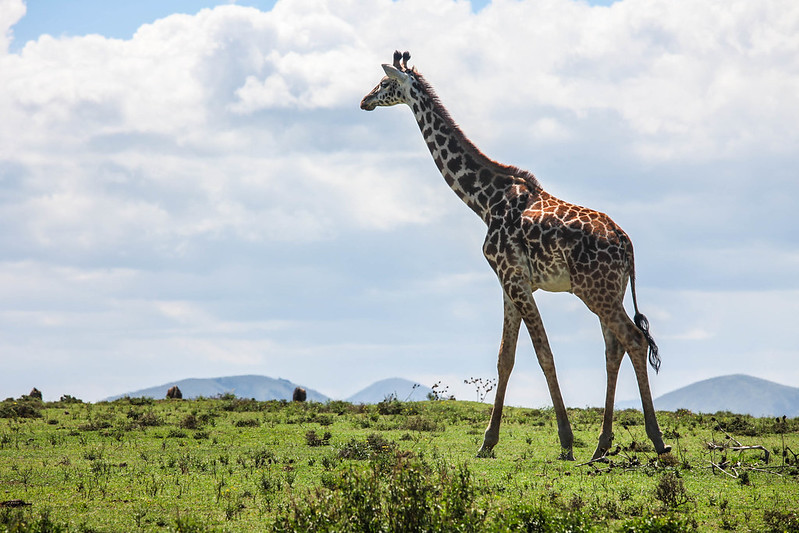
- Giraffe – graceful, curious, often pausing just long enough for portraits.
- Zebra – small herds grazing the open plains; watch for foals hugging mum’s flank.
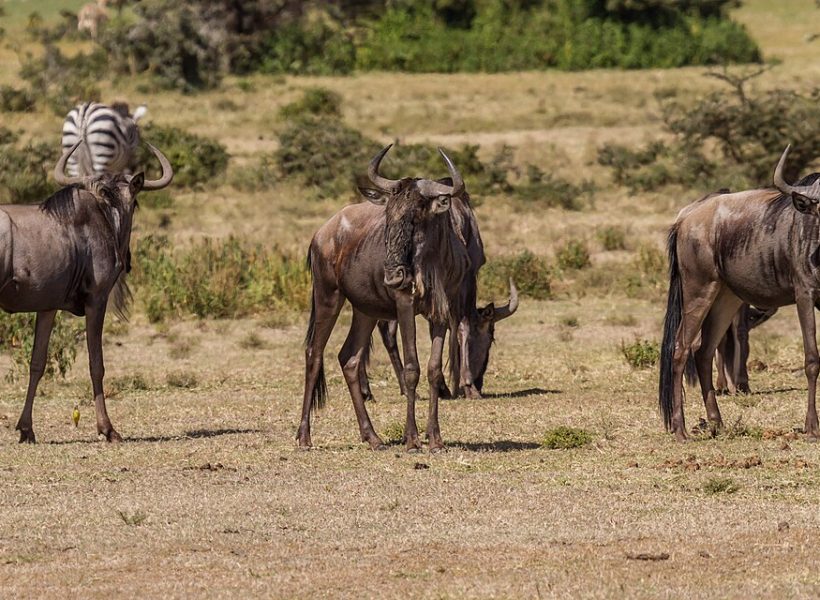
- Wildebeest – scattered groups, especially on the wider grassy flats.
- Waterbuck – heavy-set antelope with distinctive white rump rings, near shorelines.
- Impala & gazelles – agile, social, great for action shots mid-leap.
- Hippos – usually seen from a safe distance along the lakeshore or by boat; respect their space.
- Birdlife – African fish eagles, cormorants, herons, kingfishers, ibis, and seasonal migrants—a pleasure for any birder.
- Wildlife is wild; sightings vary with weather, water levels, and time of day.
Best Time to Visit
- Time of day: Early mornings (7:30–10:00) and late afternoons (15:30–17:30) bring cooler temperatures, softer light, and more active animals.
- Seasons:
- June–October (cool-dry): firm ground and crisp air—great for longer walks.
- November–May (green season): dramatic skies, flowering acacias, superb birdlife; expect occasional showers and lusher grass.
- Crowds: Weekdays are quieter. On weekends and holidays, start earlier for solitude and better photo conditions.
Getting There
- From Nairobi (self-drive): Take A104 toward Naivasha. In Naivasha town, follow signs and local directions to your chosen gate or boat landing. Standard saloon cars are fine in dry weather; a higher-clearance vehicle helps in rainy periods.
- Private transfer/driver-guide: Stress-free and helpful if you plan to add Hell’s Gate or a boat ride.
- Boat access: When water is high, arranged boats collect from established jetties along the lake. Your lodge or the island office can coordinate.
- Causeway access: When water recedes, the causeway opens for vehicle access to the main gate; parking is available.
Tickets, Guides & Typical Costs
Rates change, and there may be different prices for citizens, residents, and non-residents. Confirm just before you go.
- Entry fee: Adult/child rates; citizen/resident/non-resident tiers.
- Guiding: Strongly recommended for safety, interpretation, and responsible distances.
- Boat transfer (if applicable): Per person or per boat, depending on provider.
- Payments: Many operators accept M-Pesa and cards; carry some cash as a backup.
What the Walk Is Like
Expect gentle, undulating grassland with occasional acacia stands and open lakeshore. Typical circuits range 3–6 km and can be shortened or extended to taste. After rain, the ground can be muddy and pitted with burrows—watch your footing. Most visitors spend 2–3 hours with frequent photo stops. There are no vehicles inside the walking area; you’ll feel the peace almost immediately.
Safety & Etiquette on Foot
- Follow your guide’s lead. They read body language, wind, and terrain.
- Keep a respectful buffer—at least 20–30+ meters from wildlife; give mothers with young extra space.
- Avoid the water’s edge where hippos move between lake and grazing. Never block a path.
- Stay calm and quiet. No sudden movements, no feeding, and avoid drones unless specifically permitted.
- Leave no trace. Pack out all litter; stick to established paths; take only photos.
What to Pack
- Footwear & clothing: Lightweight hiking shoes, neutral colors (khaki/olive/tan), brimmed hat.
- Sun & bugs: High-SPF sunscreen, lip balm, and repellent.
- Hydration & snacks: 1–2 L reusable bottle; light, rustle-free snacks.
- Optics: Binoculars (8× or 10×), telephoto lens (200–400 mm), microfiber cloth.
- Rain shell: Especially Nov–May; a compact poncho or light jacket is perfect.
- Extras: Small first-aid kit, spare camera battery/card.
Photography Tips
- Eye-level magic: Kneel or shoot from a lower stance for intimate frames—watch for burrows before kneeling.
- Use the light: Early/late sun for warm tones; try backlight for giraffe silhouettes against the lake.
- Fast shutter for action: Birds and spooked antelope need 1/1000s+; burst mode helps with fish eagle take-offs.
- Compose with context: Include acacia canopies, shoreline curves, and Mt. Longonot on clear days for sense of place.
- Be patient: Let animals move; avoid chasing. The best moments happen when you’re still.
Sample Half-Day Itinerary
- 06:00–07:30 – Depart Naivasha town / arrive gate or jetty; quick briefing and water check.
- 07:30–10:00 – Guided loop across the giraffe and zebra plains. Frequent stops for photos and bird ID.
- 10:00–10:30 – Lakeshore break: snacks, fish-eagle watch, and quiet listening.
- 10:30–11:30 – Optional second loop or return to gate/boat.
- Lunch Option – Lakeside lodge or picnic in designated areas (confirm where allowed). Consider a short boat ride afterward to view hippos from a safe distance and angle for bird photography.
Combine With Nearby Highlights
- Hell’s Gate National Park: Cycle past cliffs and fumaroles, then hike the lookout points (check current access status).
- Crater Lake Sanctuary: A emerald-rimmed volcanic crater with intimate birding and forest walks.
- Lake Oloiden: Quieter waters; great for boat birding, reflections, and sunset.
- Naivasha cafés & farm shops: Coffee with a lakeside view or quick flower-farm stops for gifts.
Accessibility & Who Will Enjoy It
Crescent Island suits families, beginners, and gentle walkers. Routes can be tailored for slower paces and shorter distances. Terrain is mostly open grassland; those with mobility concerns should discuss route options with guides in advance. In warmer months, start early and take breaks in shade. If you’re traveling with very young children, consider a carrier rather than a stroller due to uneven ground.
Responsible Travel & Conservation
Your feet are the lightest vehicle. Keep to existing paths, avoid disturbing resting herds, and support local guides and community initiatives—your fees help conserve the habitat and fund livelihoods. Refill a reusable bottle instead of buying plastic, and bring a small trash bag for any snack wrappers. Share wildlife sightings with your guide (especially rare birds) to support ongoing records.
FAQs
Do I need a 4×4?
Not in dry weather. During rains, higher clearance helps on access roads.
Are there bathrooms on the island?
Basic facilities are available near entry points. Plan ahead before longer loops.
Is swimming allowed?
No. The lake has hippos and crocodiles—keep a safe distance from the water.
Can I bring a picnic?
Yes, in designated areas. Ask your guide where it’s safe and appropriate.
Is phone signal reliable?
You’ll usually catch signal on higher ground, but expect patchy coverage in places.
What about drones?
Typically not allowed without permits. The noise disturbs wildlife and other visitors.
Can I visit without a guide?
Guides may be optional at times, but going with a guide significantly improves safety, sightings, and interpretation. Highly recommended.
Costs Summary (Guide Only—Confirm Before You Go)
| Item | Notes | Typical Range* |
|---|---|---|
| Entry fee | Adult/child; citizen/resident/non-resident tiers | KES/US$ TBC |
| Guide fee | Per group or per hour | KES/US$ TBC |
| Boat transfer | If lake levels require/you choose boat access | KES/US$ TBC |
| Tips | At your discretion for excellent guiding | KES TBC |
*Rates change with season, operators, and water levels. Verify current prices a day or two before visiting.
Map & Orientation (What to Mark)
When you publish, embed a simple map highlighting: Naivasha town → your chosen jetty or gate → a suggested 3–6 km loop skirting the plains and lakeshore. Add icons for giraffe plains, typical hippo viewpoints (for boat viewing only), shaded rest spots, and photo lookouts.
Final Thoughts
Crescent Island proves that a safari doesn’t need diesel or drama to be unforgettable. On foot, every sense switches on—the grass whispers, hooves drum, and wings carve the sky over Naivasha’s mirror water. If you love slow travel, intimate encounters, and stories told in quiet moments, this gentle walking safari belongs on your Rift Valley list. Save this guide for your trip planner, and pair it with a Hell’s Gate cycle or a golden-hour boat ride for a perfect Naivasha day.