If you love wildlife but dislike the circus of mass tourism, Kenya offers thoughtful, low-impact stops that still feel magical. Elsamere in Lake Naivasha whispers of a conservation movement born in a family home. Haller Park on Mombasa’s North Coast shouts the power of restoration—proof that scarred land can return to life. Together, they’re a one-two punch for travelers who want their safari to mean something.
Where they fit on your route: Many itineraries naturally combine Nairobi → Naivasha (2–3 days) → the Coast (by flight or SGR). Elsamere anchors the highlands section; Haller Park slots neatly into a Mombasa beach stay.
Elsamere at a Glance
What it is: Once the lakeside home of Joy and George Adamson—famed for Born Free—Elsamere is now a conservation center and petite museum set in lush gardens on the shores of Lake Naivasha. It’s intimate, unhurried, and quietly moving.
Why go:
- A tangible link to Kenya’s conservation pioneers.
- Birdlife galore—fish eagles, weavers, kingfishers—often seen right from the lawn.
- A slow, reflective atmosphere: take tea by the lake, stroll the gardens, watch the light change over the papyrus.
Good for: Families, birders, history lovers, photographers, and anyone who prefers meaningful encounters over checklists.
Vibe: Gentle, nostalgic, lakeside living. Elsamere is a place to linger rather than “do.”
Haller Park at a Glance
What it is: A former limestone quarry rehabilitated into a thriving mosaic of forest, wetlands, and nature trails. Think of it as a living classroom that demonstrates how to rebuild soils, reintroduce species, and stabilize ecosystems—step by step.
Why go:
- It’s one of East Africa’s best examples of industrial land restoration.
- Easy wildlife viewing along shaded paths—giraffe, hippos in ponds, antelope, and abundant birdlife.
- Educational without feeling like homework; a perfect half-day break from beach slumber.
Good for: First-time visitors to Kenya, school groups, beach-goers wanting variety, travelers who appreciate sustainability wins.
Vibe: Accessible and inspiring—ideal for multi-generational groups.
Two Conservation Blueprints, One Purpose
Elsamere: The emphasis here is heritage, advocacy, and education. You’ll see memorabilia and photographs that humanize conservation, and you’ll understand how one family’s relationship with lions (and storytelling) reshaped public opinion about wildlife.
Haller Park: The star is rehabilitation science. You’re walking through case-study terrain—where tree species were trialed, water was engineered, soils rebuilt, food chains re-stitched, and, eventually, wildlife returned.
Key takeaway: Elsamere teaches why conservation matters—through legacy and inspiration. Haller Park shows how to repair damaged places—through patient, practical interventions. Visit both and you get the heart and the toolkit.
What You’ll See & Do
At Elsamere
- Museum rooms with Joy and George Adamson memorabilia: letters, photographs, and artifacts that anchor the Born Free era.
- Afternoon tea on the lawn: a simple ritual made special by Naivasha’s light, occasional hippo snorts from the lake, and fish eagles calling overhead.
- Garden and lakeside walk: spot weavers stitching nests, malachite kingfishers hunting, and colobus monkeys lounging in the treetops.
- Optional add-ons:
- Lake Naivasha boat ride for close-range birding and serene waterscapes.
- Crescent Island (self-guided walking among plains game) or Hell’s Gate National Park (geology, cycling, dramatic cliffs) to round out the day.
At Haller Park
- Guided nature trails across shaded paths and boardwalks. You’ll traverse reforested sections, ponds, and grassland patches as your guide explains the restoration steps.
- Wildlife stops: look for giraffe, hippo pools, eland, bushbuck, vervet monkeys, and a strong bird list including herons, sunbirds, and weavers.
- Butterfly or reptile exhibits (when open): bite-size learning that keeps kids engaged without overwhelming them.
- Scheduled activities (if available): sometimes there are structured talks or feeding times—go for the learning, not the spectacle, and always follow ethical guidelines.
Practical Planning
Best Time to Visit (Daily Rhythm)
- Elsamere: Late morning or mid-afternoon leading into tea time. Early mornings are also beautiful for birdlife with calmer lake conditions.
- Haller Park: Aim for morning or late afternoon to avoid coastal heat and catch cooler, active wildlife.
Tickets & Booking
- Both sites occasionally update hours and rates. Check the latest details shortly before your visit and consider pre-booking guided elements where offered. If you’re traveling in high season or with a group, a quick confirmation is wise.
What to Pack
- Sun hat, water, and closed shoes (paths can be uneven).
- Light rain layer—showers can pop up, especially around Naivasha.
- Binoculars for birding; telephoto lens if you’re keen on wildlife shots.
- Cash/mobile money for entry or tips where appropriate.
Accessibility & Pace
- Elsamere: Mostly gentle lawns and garden paths; museum rooms are compact.
- Haller Park: Trails are generally easy; there are benches and shaded pockets. If mobility is a concern, ask about the most accessible route when you arrive.
Suggested Itineraries
1) The Naivasha Weekender (Elsamere Focus)
Day 1: Nairobi → Naivasha (breakfast stop en route), settle in. Afternoon Elsamere museum + tea on the lawn, optional sunset boat ride.
Day 2: Crescent Island walk or Hell’s Gate cycle + geothermal cliffs. Lunch with lake views; return to Nairobi.
Why it works: Minimal driving, maximum variety—wildlife, water, and conservation heritage.
2) Coast Combo (Haller Park Focus)
Morning: Beach time at Bamburi/Nyali.
Afternoon: Haller Park guided trail, ponds, and exhibits.
Evening: Boardwalk stroll and sundowners on the North Coast.
Why it works: Adds depth to a beach holiday without derailing the relaxation schedule.
3) The Two-Stop Stretch (For Longer Trips)
Start with Elsamere during your central Kenya portion. Later, travel to the coast (flight or SGR + short transfer) and fit Haller Park into your Mombasa stay.
Why it works: You experience Kenya’s conservation narrative across two ecosystems: freshwater highlands and coastal lowlands.
Costs & Time on Site (Expectations)
- Elsamere: Plan 1.5–3 hours for museum, gardens, and tea; add 1–2 hours if you’re including a boat ride or Crescent Island.
- Haller Park: Allocate 2–3 hours to cover the main trail, ponds, and exhibits at a relaxed pace.
Note: Entry fees and opening hours change from time to time—always verify shortly before you go. If you’re traveling with kids or a larger group, guides elevate the experience and keep logistics smooth.
Responsible Visitor Tips
- Keep distance from wildlife; use binoculars instead of edging closer.
- No feeding unless you’re explicitly in a sanctioned, educational program with staff supervision.
- Stay on marked paths to protect fragile soils, nests, and water edges.
- Quiet is a superpower: you’ll see more birds and small mammals if you soften your steps and voices.
- Support conservation by purchasing tickets, optional guided walks, and small on-site donations or souvenir books that fund maintenance and education.
Photo & Content Shot List
Elsamere
- Lawn tea scene with the lake and papyrus background.
- Museum details: portrait corner, archival photographs, book covers—capture the legacy.
- Birdlife: weaver nests, kingfishers on reeds, a soaring fish eagle if you’re lucky.
- Golden hour silhouettes along the lakeshore.
Haller Park
- “Restoration story” panels or ranger talks to visually explain the science.
- Canopy or shaded trails with dappled light.
- Wildlife moments: giraffe mid-stride, reflection shots at the ponds.
- Before/after storyboard (if interpretive signs exist)—great for educational posts.
Ethics for creators: Secure consent for people shots, avoid stressing animals (no flash on wildlife), and don’t geo-tag sensitive nesting spots.
Nearby Add-Ons
Near Elsamere (Naivasha):
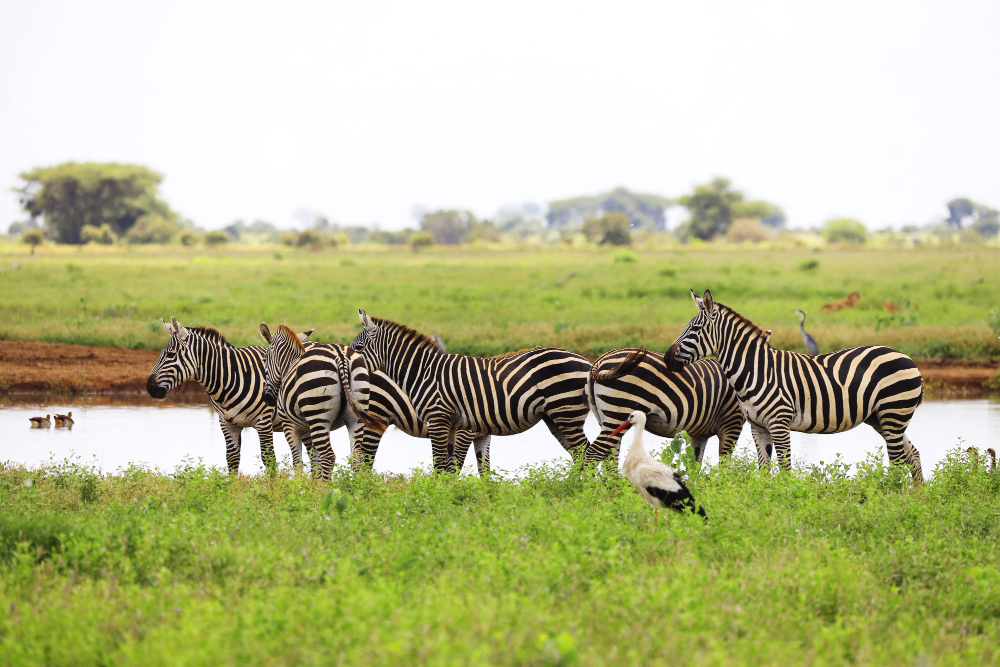
- Crescent Island for on-foot wildlife viewing (zebra, giraffe, antelope—no big cats).
- Hell’s Gate National Park for cycling past steaming vents and striated cliffs.
- Crater Lake Sanctuary for emerald waters, trails, and a quieter feel than main-lake sites.
Near Haller Park (Mombasa North Coast):
- Bamburi Beach for a leisurely swim and late lunch.
- Nyali’s cafes and eateries for gelato or seafood.
- Mombasa Old Town for Swahili doors, spice-rich food, and layered history (pair with Fort Jesus).
FAQ
Is Elsamere suitable for kids?
Yes—short distances, lots of birds, and lawn space make it gentle for families. Museum rooms are compact, so pair with an open-air activity like a boat ride.
Are there set feeding times at Haller Park?
Schedules can change. If you’re keen on a specific activity or ranger talk, check the latest times the day before you go. Prioritize educational elements over “performances.”
Can I combine both in one short trip?
It’s possible but not ideal in a single weekend since they’re in different regions. Do Elsamere on a Naivasha trip; save Haller Park for when you’re beach-bound.
What’s the best season for birding at Lake Naivasha?
Birding is rewarding year-round, with particularly lively action during and soon after rainy seasons when water levels and food availability shift.
Do I need a guide or can I self-tour?
Self-touring is doable at both, but guides add context—especially at Haller Park, where restoration details enrich the walk.
Map & Logistics
- Nairobi → Naivasha (Elsamere): About 1.5–2 hours by road, traffic dependent. Consider leaving Nairobi early to dodge rush hour and to catch morning calm on the lake.
- Naivasha → Mombasa (for Haller Park): Fly from Nairobi or ride the SGR to Mombasa, then it’s a short ride-hail/taxi to Bamburi.
- Local transport: In both areas, a private driver or organized transfer is the simplest option if you’re short on time.
Wrap-Up
If you’re curating a trip with meaning—not just mileage—these two stops earn their place. Elsamere hands you the emotional spark that launched a global movement, in a lakeside haven where fish eagles and memories share the sky. Haller Park hands you the blueprint for healing land—an optimistic walk through what good stewardship can accomplish in a single generation.
Bottom line: Visit both and you’ll leave Kenya with a fuller story—heart and hands, legacy and lab. That’s time well spent.