Picture this: dawn is just brushing the savannah in soft gold. A hot-air balloon sighs to life, the basket drifts free, and the Mara River snakes below like a ribbon of silver. A few hours later—same day, same park—your guide whispers “hold on,” and your Land Cruiser glides to a stop as a lioness melts out of the grass, eyes locked on a distracted gazelle. Two wildly different vantage points. One African safari. Which experience should you choose?
This guide compares balloon safaris and traditional game drives across cost, time commitment, wildlife viewing, photography potential, comfort, safety, and who each experience suits best—plus how to do both if you can.
Quick Verdict
- Choose a Balloon Safari if you want an unforgettable, bucket-list perspective; love landscape and storytelling photos; are traveling for a special occasion; and can budget for a premium splurge.
- Choose Game Drives if close encounters, behavioral sightings, flexibility, and value per hour matter most; you’re traveling with kids; or you prefer multiple opportunities to explore different habitats.
- Do Both if you can: one balloon morning for the cinematic perspective + several game drives for eye-level action is the best of African safari in 48–72 hours.
What Exactly Is a Balloon Safari?
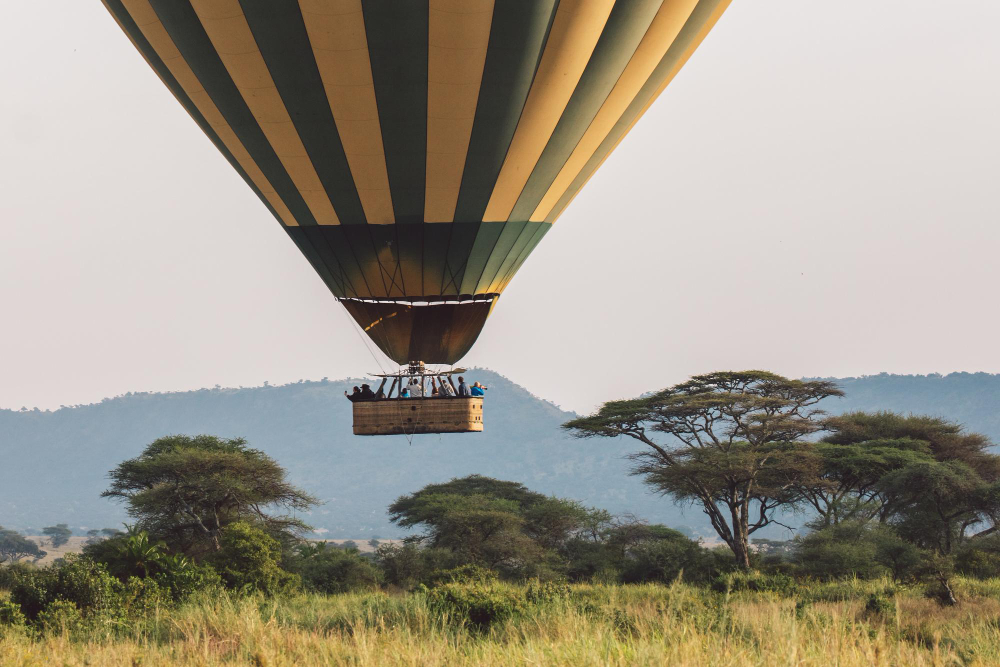
A balloon safari is a sunrise hot-air balloon flight over a wildlife area such as the Maasai Mara, Serengeti, Amboseli, or Tarangire. Your morning begins pre-dawn with a transfer to the launch site. After a safety briefing and inflation, you lift at sunrise and float for roughly 45–60 minutes (sometimes up to 75 minutes depending on wind). Landings are controlled but can be bumpy—your pilot will demonstrate the correct brace position. Most experiences conclude with a bush breakfast and a celebratory toast before you’re driven back to your lodge.
- Typical route & altitude: Pilots ride the wind, adjusting altitude to follow river lines, hippo pools, open plains, or acacia woodlands. You might skim low for elephant herds, then rise for grand panoramas.
- Group size: 12–16 guests per basket is common (smaller or larger configurations exist).
- Weather dependence: Flights are weather-permitting. Wind and visibility matter. Operators cancel if conditions aren’t safe and either refund or rebook where possible.
- Seasonality: Operable year-round with magical differences—green seasons bring lush colors, while dry seasons emphasize animal concentrations around rivers and crossings.
The feel: Serene. You drift rather than “ride.” There’s no engine noise—just burners whooshing occasionally and the ambient sound of dawn below.
What Exactly Is a Game Drive?
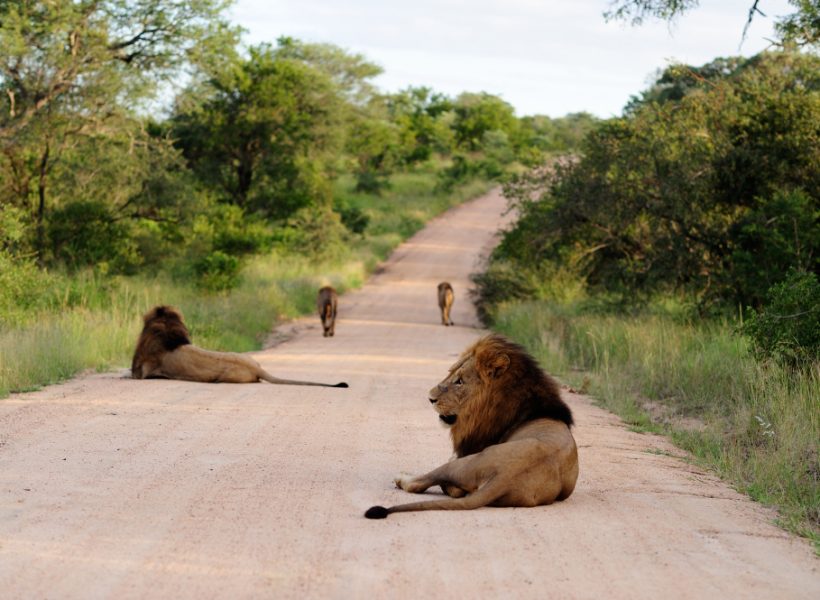
A game drive is a guided safari in a purpose-built vehicle—often an open 4×4 or a pop-top Land Cruiser—designed for visibility and comfort on rough tracks. Drives typically run 3–4 hours per session (dawn, mid-morning, or late afternoon). Where permitted, night drives reveal nocturnal life (genets, civets, bush babies, aardwolves, and occasionally big cats on the move).
- Guide & radio network: Your guide reads tracks, bird alarm calls, and the landscape. Guides often share non-sensitive updates via radio to optimize sightings while maintaining ethical distances.
- Vehicle types: Open-sided vehicles are great for photos and immersion; closed vehicles with pop-tops excel for dust control and long distances.
- Flexibility: You can linger with a pride of lions, scan for cheetahs on termite mounds, or park by a waterhole and wait for magic.
The feel: Dynamic. You’re in the thick of things at eye-level, with the freedom to follow behaviors, circle for angles, and catch surprises around the next bend.
Wildlife Viewing: What You’ll Likely See
Balloon
- Sweeping herds: zebra, wildebeest, buffalo, and elephant in painterly compositions.
- Geography from above: oxbow bends, hippo trails, crocodile sandbanks, and migration “highways.”
- Behavior glimpses from a respectful distance: elephants browsing, giraffes striding, balloons shadowing silently across plains.
- Limitations: You won’t hover to watch a hunt unfold or get close-up portraits of big cats.
Game Drive:
- Close-up big cats: lions on a kill, cheetahs scanning, leopards draped in sausage trees.
- Behavior: stalking, sprinting, cubs playing, hyena clans strategizing, marabous and vultures pecking at a carcass.
- Birding: easy to stop for rollers, eagles, secretary birds, and bee-eaters.
- Limitations: You cover a smaller area per hour and sometimes share sightings with other vehicles in popular zones (good operators manage this with etiquette).
Seasonality matters:
- Great Migration: generally July–October in the Mara; December–March on Serengeti’s southern plains (calving at Ndutu, Jan–Mar). Balloons show the scale, drives catch the drama.
- Green season: lush backgrounds, dramatic skies; wildlife can disperse, making guide skill even more valuable.
Photography & Storytelling
Balloon Photography Tips
- What shines: wide and mid-zoom storytelling (24–70mm, 24–105mm). Rivers, herds, and the curvature of plains produce leading lines and scale. Sunrise delivers gentle contrast and warm color.
- Gear rigging: use a shoulder/neck strap; no dangling lenses outside the basket. A polarizing filter can help with glare.
- Settings: start around f/5.6–f/8, ISO 400–800 at dawn, and a shutter speed of 1/250–1/500s to counter basket movement. Shoot RAW for sky latitude.
Game-Drive Photography Tips
- What shines: portraits and action. A 70–200mm or 100–400mm is the workhorse; primes (300/400mm) if you’re serious.
- Stability: beanbag over the door/window trumps a tripod in vehicles.
- Settings: for action, prioritize shutter speed (1/1000s+), bump ISO as light fades, and keep an eye on exposure compensation in backlit dust.
Narrative difference: Balloon images tell the epic story of place and scale. Game-drive images tell the intimate story of moments and eyes.
Cost, Time & Logistics (Side-by-Side)
| Factor | Balloon Safari | Game Drive |
|---|---|---|
| Typical Duration | 4–5 hrs door-to-door (1 hr in air) | 3–4 hrs per session |
| Price Tier | Premium $$$ per person | $–∗∗persession(shared)or∗∗** per session (shared) or **∗∗persession(shared)or∗∗–$$$ (private) |
| Scheduling | Must pre-book; peak seasons sell out | Flexible; multiple daily slots |
| Weather Dependence | High (wind/visibility) | Lower (heavy rain may limit tracks) |
| Age/Weight Limits | Common (check policy) | Usually more accommodating |
| What’s Included | Transfers to launch, flight, bush breakfast | Vehicle, guide, sometimes drinks/snacks |
| Cancellation | Rebook/refund if unsafe | Rarely cancelled; alternatives possible |
Booking windows: Balloon seats are limited; for peak migration months, aim for 4–8+ weeks ahead. For game drives, you can often arrange on arrival—but private vehicles in peak season also benefit from early booking.
Comfort, Accessibility & Safety
Balloon Comfort & Safety
- Pre-flight briefing: listen closely; pilots are licensed and weather rules are strict.
- Mobility: you’ll stand in the basket for ~1 hour; landings can be bumpy. Not ideal for some medical conditions—declare anything relevant in advance.
- Dress: layers, hat, closed shoes. Burners can be warm overhead; mornings are crisp.
Game-Drive Comfort & Safety
- Road conditions: corrugation, ruts, and dust; operators issue blankets in cool seasons.
- Bathroom strategy: plan before departure; bush stops handled discreetly when appropriate.
- Motion sensitivity: if prone to car-sickness, sit forward, face the horizon, and consider wrist bands or medication.
General Safety
- Choose licensed operators, listen to guides, maintain respectful distances, and never stand up or lean out unsafely near wildlife. Good etiquette is part of conservation.
Environmental Footprint
- Balloon: burns propane; usually one flight replaces multiple vehicles covering the same vista, but the carbon impact is still meaningful.
- Game drive: consumes diesel/petrol, especially across multiple drives.
Reduce your impact
- Fill shared vehicles to reduce per-person emissions.
- Choose conservation-minded operators who cap vehicles at sightings, stick to tracks, and contribute to habitat protection.
- Consider a small carbon contribution to vetted projects.
Who Should Choose What?
Balloon Safari—Best For:
- Honeymooners & celebratory trips: unrivaled romance.
- Landscape-loving photographers: aerial drama and sunrise light.
- Bucket-list travelers: you’ll talk about it for years.
Game Drives—Best For:
- Families with kids: easier logistics, seated comfort, exciting close-ups.
- Big cat & behavior enthusiasts: patient observation pays off.
- Budget-sensitive or time-poor travelers: more sightings per dollar and hour.
Mixed Groups
- Split activities: balloon for those who want it, concurrent early game drive for others. Meet for mid-morning brunch and swap stories.
When to Do Both (If You Can)
A balanced 2–3 day plan in the Mara/Serengeti might look like:
- Day 1 (PM): Arrive, afternoon game drive. Get oriented, enjoy golden light, and practice photo settings.
- Day 2 (AM): Balloon flight + bush breakfast. Rest midday. Late-afternoon drive focusing on predators in better light.
- Day 3 (AM): Targeted drive: if it’s migration season, follow river bends for crossings; otherwise track lions/cheetahs or explore a new habitat belt.
You leave with both the sweeping aerial narrative and the eye-level intimacy—two halves of the same safari story.
Park-by-Park Notes (Brief)
- Maasai Mara (Kenya): Vast open plains and river corridors make balloons spectacular—especially along the Mara River during migration. Game drives excel for predators year-round thanks to high density and open sightlines.
- Serengeti (Tanzania): The ecosystem is enormous; balloons reveal the continent-scale canvas. In Ndutu (Jan–Mar), calving season offers world-class predator action at ground level.
- Amboseli (Kenya): Elephants against Mount Kilimanjaro—balloons paint the icon; drives bring you near breeding herds and dust-kicking silhouettes.
Practical Booking Tips
- Reserve balloon seats early—especially July–October (Mara) and December–March (southern Serengeti).
- Ask operators about weight policies, medical considerations, minimum ages, and refund terms for weather cancellations.
- Confirm transfer time to the launch site; some lodges are closer than others.
- Pick the right drive times: Dawn and late afternoon deliver cooler temps, softer light, and predator activity.
- What to pack:
-
- Layers, windproof outer shell, cap/hat
- Neutral clothing (avoid bright whites for drives)
- Sunglasses, sunscreen, lip balm
- Lens cloth, extra battery/cards, dry bag for dust
Soft-soled shoes (balloon) and comfy closed shoes (drives)
Budget Planner
Balloon safari: premium per person, often including transfers and bush breakfast.
Game drives: typically included in lodge rates; private vehicles cost more but grant flexibility for photography and families.
Where to save
- Choose shared vehicles for game drives and focus on one premium splurge (the balloon).
- Travel shoulder season for value without sacrificing experience.
Where to splurge
- Private vehicle for serious photographers or families with kids who need flexible stops.
- One balloon morning to elevate (literally) your narrative of the trip.
Hidden costs to consider
- Park/conservancy fees
- Transfers between airstrips and lodges
- Tips for crew, pilots, and guides
- Night drive supplements (where available)
FAQs
Is a balloon safari worth it if I’m short on time?
Yes—if the budget allows. In one hour, you’ll absorb a macro-view that can otherwise take days to assemble from the ground. Pair it with one or two game drives for balance.
What if I’m afraid of heights?
Most guests report balloons feel surprisingly stable since there’s no lateral acceleration. If you’re very height-sensitive, try a short sunrise game drive first to build confidence; you can often decide on the balloon the next day in quieter seasons.
Can kids go on balloon rides?
Policies vary; many operators set minimum ages or heights for safety and the ability to hold the landing position. Game drives are generally more kid-friendly and flexible.
What happens if the flight is canceled due to wind?
Reputable operators will rebook or refund. Having two mornings in your itinerary increases your chances in case day one is unflyable.
Night drives vs. balloon—what’s better for rare sightings?
They serve different goals. Night drives can reveal elusive nocturnal species and predator movement. Balloons deliver unmatched landscape perspective and herd compositions at dawn.
The Smartest Itinerary
For most travelers, the sweet spot is one balloon morning + multiple game drives. You capture the cathedral-scale view of Africa at sunrise—rivers like veins, herds like brushstrokes—and later, you collect the intimate moments: a cheetah’s tail twitch, the synchronized turn of zebras, the slow rumble of elephant matriarchs guiding calves to water.
If budget or time forces a choice, ask yourself: Do I want the one unforgettable vista that defines the trip, or do I want a string of close-range encounters and behaviors? There’s no wrong answer—only the right fit for your style.
Closing Thought
A great safari is about perspective. From the air, the savannah becomes a living tapestry; from the ground, its characters step forward and speak. Whether you float at dawn or rumble along game tracks—or both—you’re saying yes to one of the world’s grandest natural theatres. Book with licensed, conservation-minded operators, trust your guide’s instincts, pack a sense of wonder, and let Africa do what it does best: astonish you.